BEYOND COLLEGE
TMN LEARNING
Learning journalism outside college
TMN® Creators reporting at Cruïlla Festival, Barcelona. Foto by Pablo Herrera.
Some of the most relevant innovation in media today is not coming from traditional classrooms. It is coming from content creators, independent media networks, and the creator economy.
New York City. TMN® Editorial
Young people are learning journalism by doing. By covering real events. By publishing work that lives in the world. By responding to real audiences, real feedback, and real consequences.
College journalism remains a valid path. But it is no longer the only one. And it is not the most representative of how youth journalism is developing today.
At TMN®, young creators between 16 and 24 years old learn inside real media environments. They do not build portfolios that die inside resumes scanned by AI systems. They publish real work indexed by search engines. Coverage, opinion, photography, and reporting that exists publicly and can be read, seen, and evaluated by anyone.
In a period as short as eight months, many of them are ready to enter the professional field with skills, experience, and criteria.
What do they gain through alternative, practice driven education?
Real work
Published journalism with real visibility. Not exercises. Not simulations. Work that circulates, gets read, and creates responsibility.
Exposure
The more exposure to real conditions and real mistakes, the faster the learning curve. Seeing errors in real time accelerates correction, avoids the construction of illusory ego, and develops editorial judgment. Feedback is immediate. Growth is tangible.
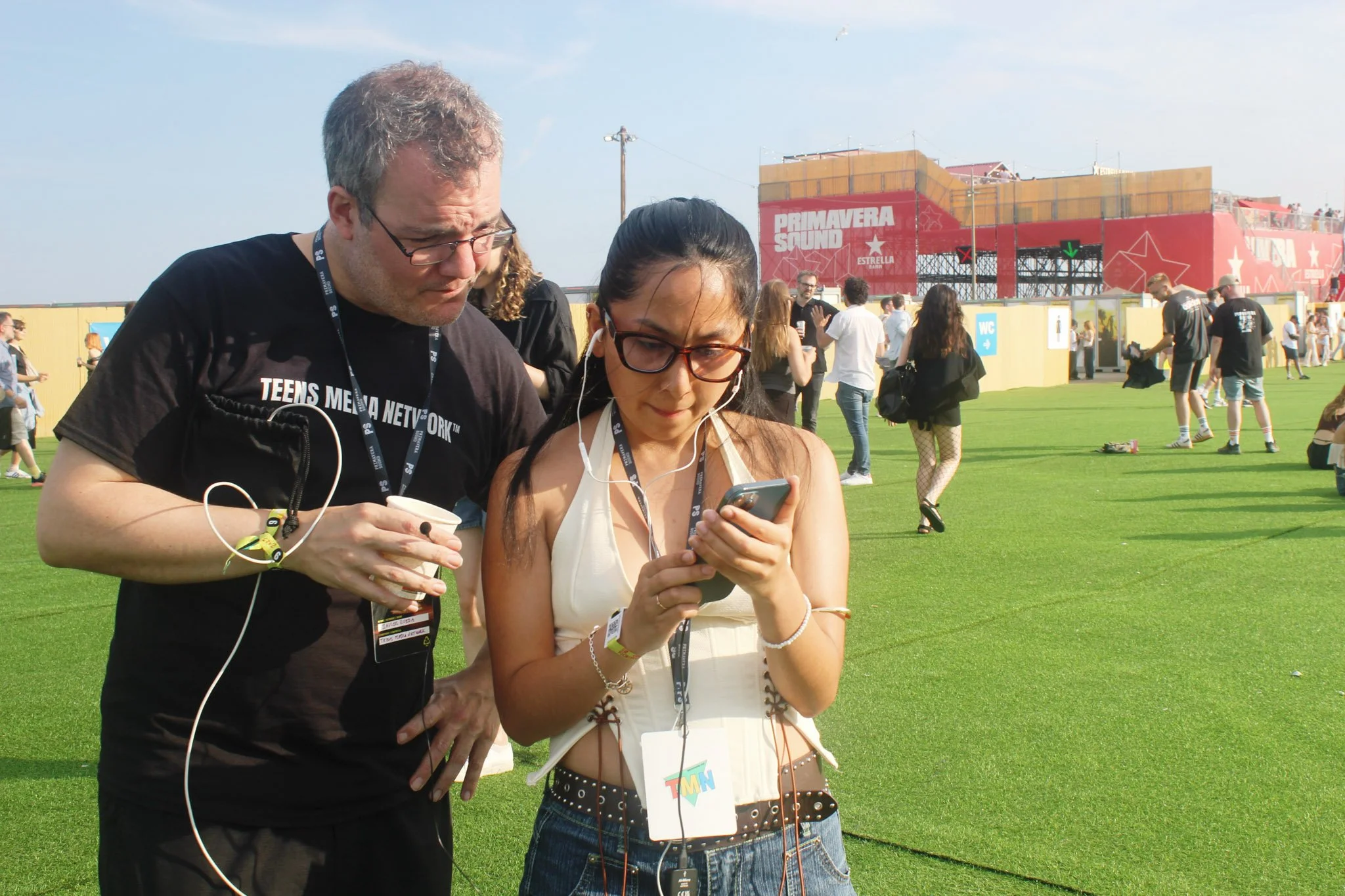
TMN® Creators reporting at Primavera Sound, Barcelona. Foto by Noelia Serrano.
Access beyond the classroom
They cover concerts, festivals, screenings, and cultural spaces that are often inaccessible to traditional college students.
Practical skills
They learn how to operate in professional environments. Writing emails. Requesting press access. Gathering information. Categorizing it. Delivering it clearly for publication and distribution. Simple, fast, and effective.
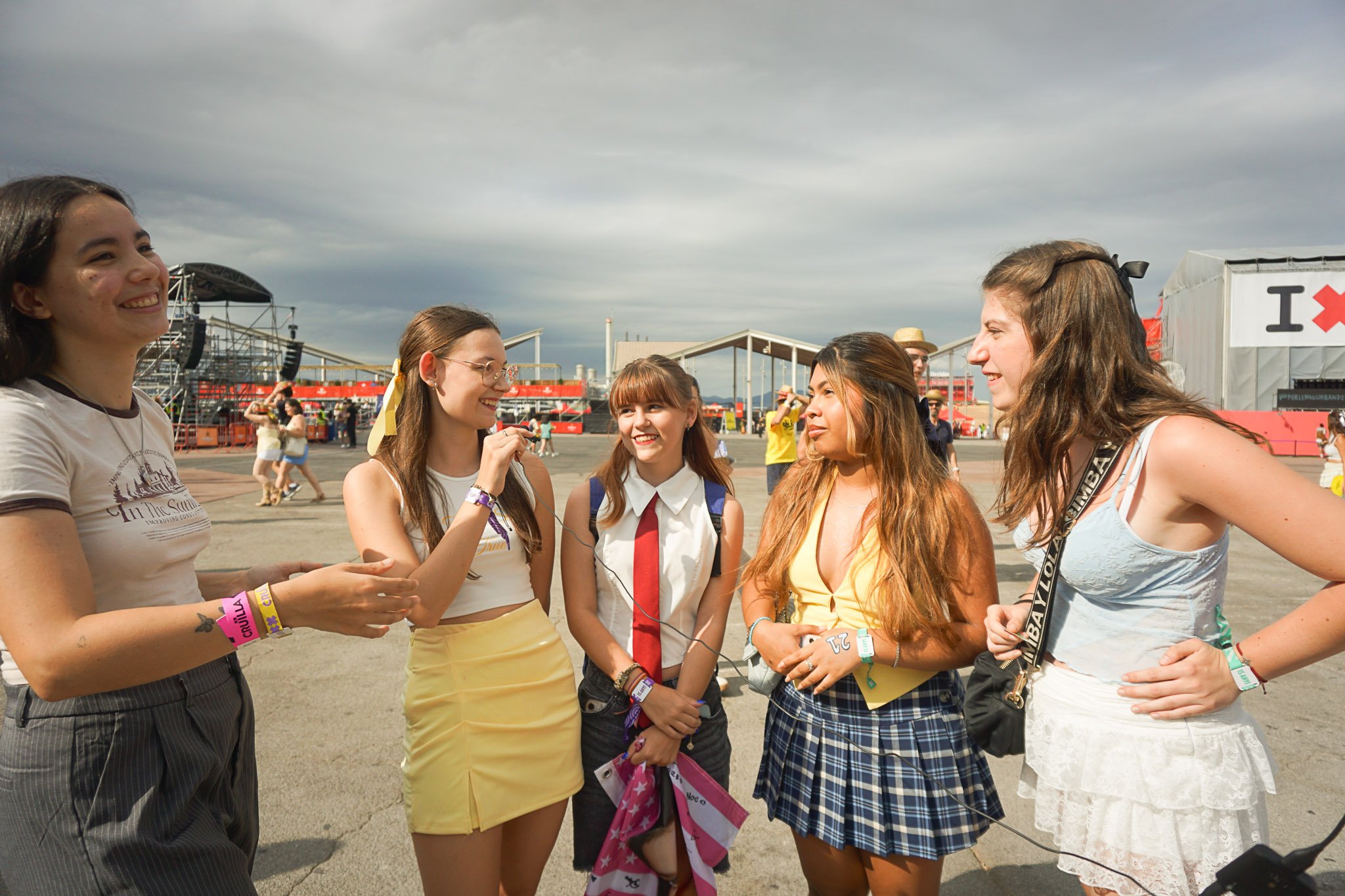
TMN® Creators reporting at Cruïlla Festival, Barcelona. Foto by Pablo Herrera.
Speed and relevance
They learn at the pace of contemporary media. Adapting to formats, platforms, and editorial needs as they evolve.
Skills for what is happening now
They write, photograph, and publish for the media ecosystem that exists today, and for what is emerging, not for systems designed for the past.
Cost and efficiency
Young people need learning systems that are fast, real, and accompanied. Not endless tutorials. Not abstract theory. Employers are looking for people who solve problems with criteria, not erudition accumulated in closed environments.
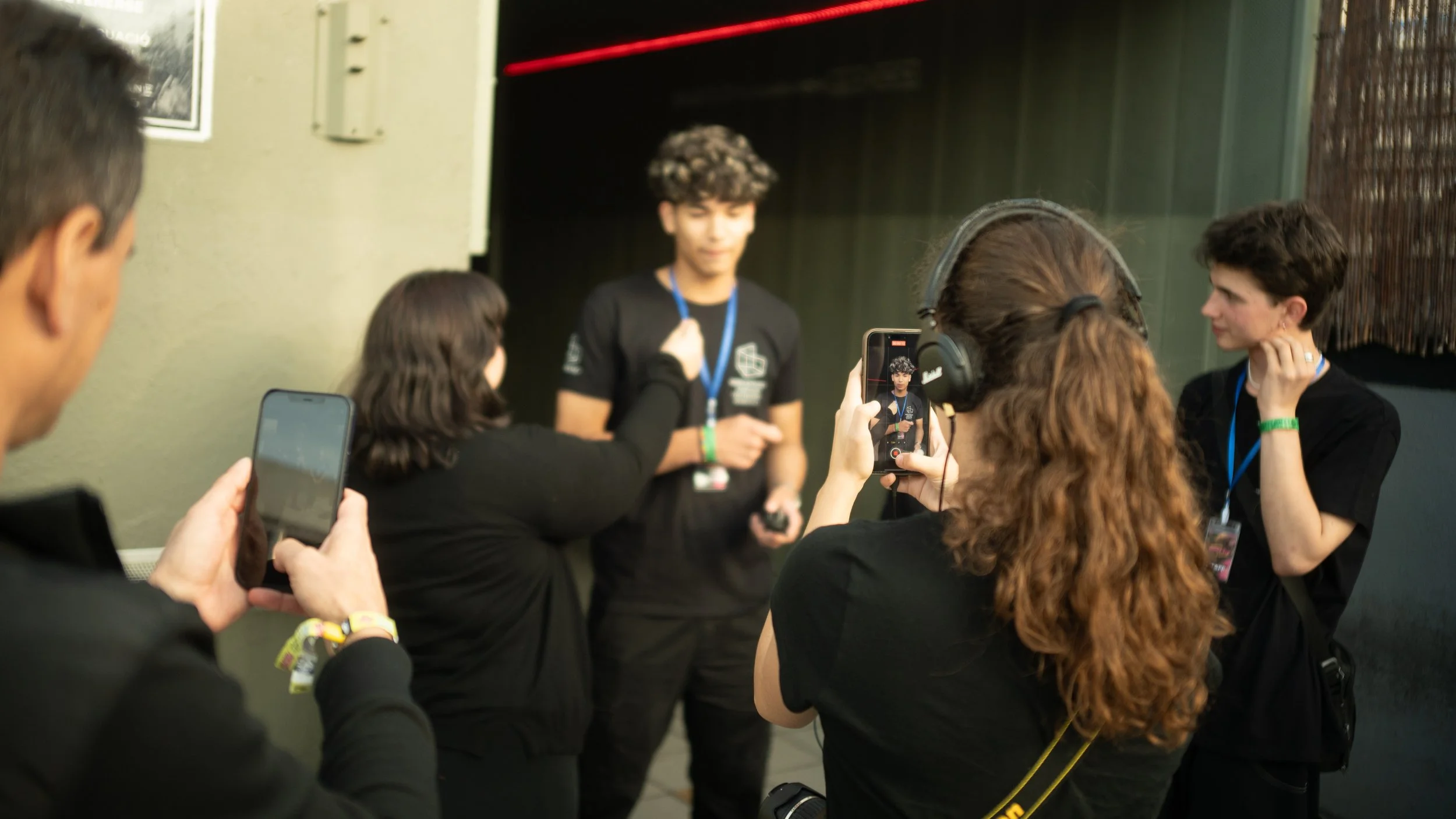
TMN® Creators reporting at Razzmatazz, Barcelona. Foto by Pol Rodríguez.
Independent voice
Long academic careers can sometimes dilute spontaneity and risk. Highly structured systems are often shaped by existing power structures. Independent media education allows young creators to develop voice, autonomy, and the ability to self manage.
Education in media is changing. Learning no longer happens only on campuses or inside degree programs. It happens in the field, in real time, and in real contexts.
Alternative education models are not a replacement for college. They are a response to how culture, media, and work actually operate today.
Youth journalism is bigger than any single system. And its future is already being built by those who are practicing it.
READY TO START BUILDING A CAREER AS A CULTURAL STORYTELLER?
The TMN® New Media Coverage course is now open for enrollment.
Experiential learning. Real media. Real work.
Welcome to TMN® Learning.
Share this post: