FLAMENCO FESTIVAL NYC
PERFORMING ARTS
Sara Baras, Eva Yerbabuena and Flamenco Masters on Stage
Sara Baras: Vuela. Photo by Sofia Wittert.
The Flamenco Festival New York is celebrating its 25th anniversary with a wide ranging program that highlights the depth and evolution of flamenco on the international stage. This year’s edition presented more than 40 performances across multiple venues in New York City.
NEW YORK CITY | By Pablo Herrera
TMN attended several of the festival’s performances at City Center, where sold out audiences experienced a multi generational flamenco gala and a large scale production led by one of the most recognized flamenco choreographers working today, Sara Baras.
Before the flamenco gala, festival director Miguel Marín welcomed the audience and reflected on the significance of this edition, which marks a quarter century of the festival in New York.
In a recent interview with TMN, Marín emphasized the deep historical connection between flamenco and the city.
“This year is very special because we also want to honor the pioneers who ignited the flame of flamenco in New York more than 140 years ago. There is a long love story between flamenco and New York. The city has given so much to flamenco and helped it evolve.”
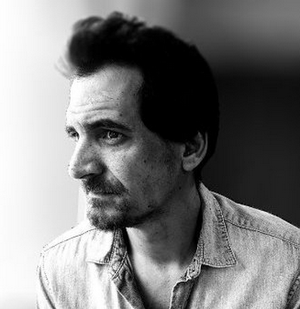
Flamenco Festival director Miguel Marín speaks with TMN.
Marín also recalled how the festival first began.
“I was living in New York and studying here in 1998, and there was barely any flamenco,” he told TMN®. “I wanted Spanish artists to have a presence here, and I started with a small festival in 2001. The idea was to show the diversity of flamenco and what was being created at that moment.”
Both nights at City Center reflected that vision, with full houses and audiences that blended Spanish expatriates with New Yorkers discovering flamenco live.
Gala Flamenca brings generations of flamenco to the stage
El Farru. Photo by Cylla Von Tiedemann.
One of the performances attended by TMN was Gala Flamenca, an evening that brought together four major flamenco dancers and voices representing different generations of the art form: Eva Yerbabuena, Manuel Liñán, Antonio Fernández Montoya "El Farru" and Juan Tomás de la Molía.
Curated by Liñán as artistic director, the program moved through classic flamenco forms including caña, soleá, tangos and bulerías, alternating solos and shared moments that showcased the distinct artistic language of each performer.
The audience responded enthusiastically throughout the evening, with several standing ovations marking the end of the performance.
Manuel Liñán. Photo by Marcos Gpunto.
After the show, attendees shared their impressions with TMN.
“To see four artists of this level on the same stage is incredible,” said a woman originally from Murcia, Spain, who has been living in New York for more than twenty years. “It felt like being back home, and I felt very proud of our culture.”
Another attendee in her twenties, who came with her family, said the experience changed her perception of flamenco.
“My father is Spanish and he bought the tickets saying, ‘You have to see this,’” she explained. “I thought flamenco was something more for older generations, but I loved it. It was amazing to see this part of my culture here in my city.”
Sara Baras presents: Vuela
Sara Baras: Vuela. Photo by Sofia Wittert.
Later in the week, the festival returned to City Center with Vuela, the latest production by Sara Baras. The work was created to celebrate the 25th anniversary of her company and serves as a tribute to legendary guitarist Paco de Lucía.
Structured in four acts titled Wood, Sea, Death and Fly, the performance unfolds through a sequence of pieces that explore different emotional and symbolic landscapes. From the grounding strength of tradition to moments of introspection and release, the production blends intricate flamenco footwork with theatrical staging and a powerful live musical ensemble.
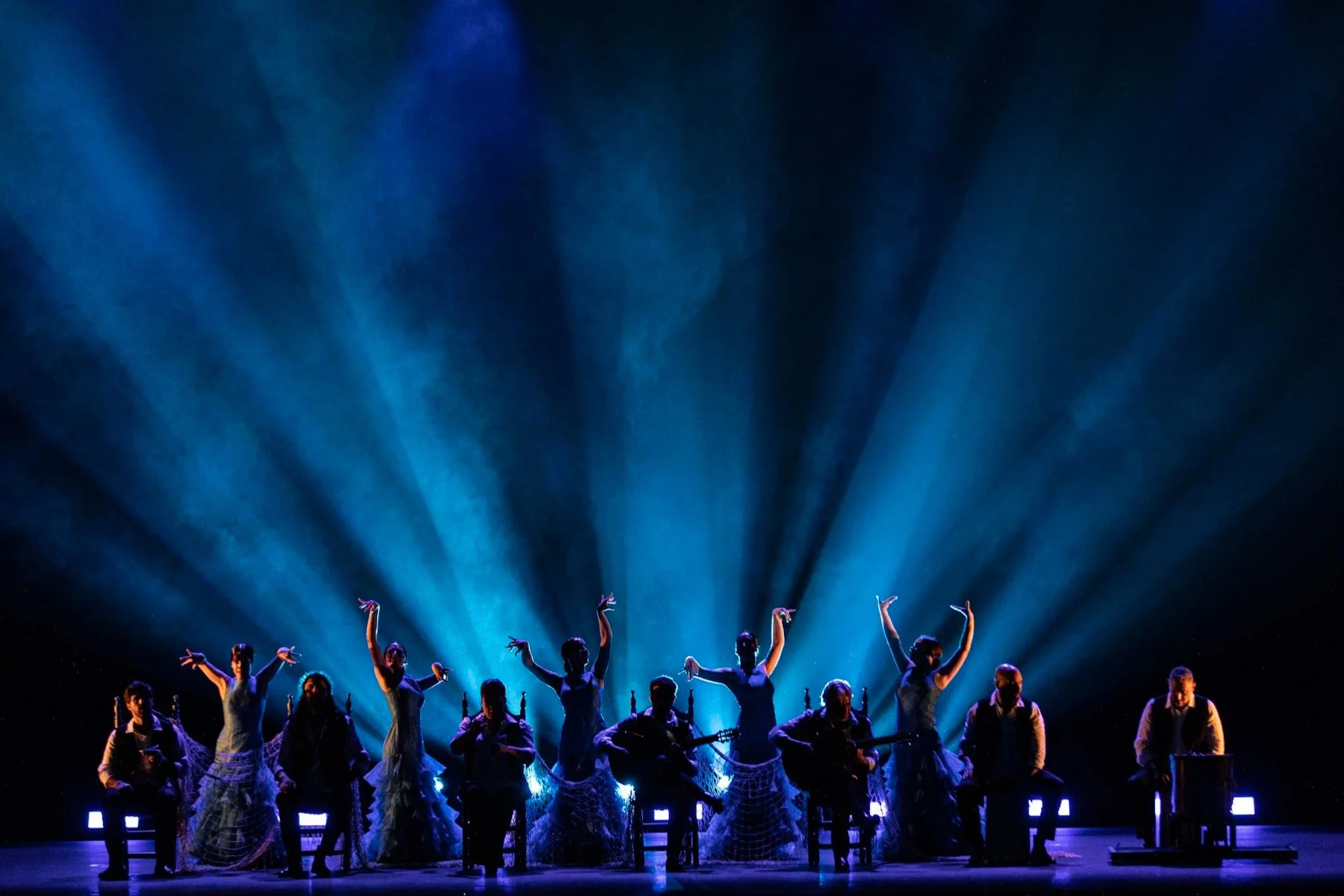
Sara Baras: Vuela. Photo by Sofia Wittert.
As in the gala earlier in the week, the theater was completely full, and the audience reacted with visible emotion to the performance.
“I’m deeply moved,” said a woman originally from Madrid, who has lived in New York for three decades. “Sara is as talented as her mother (Concha Baras) and seeing her here makes me feel very proud.”
Her husband, a New Yorker from Long Island, shared a similar reaction.
“Sara Baras is incredibly talented. It’s amazing how she connects with the audience. You could see how happy she was to be here.”
Throughout the evening, Baras repeatedly expressed her gratitude to the festival and to the New York audience. At the end of the performance, she addressed the crowd with a message that drew one final standing ovation.
“New York, I love you,” she said before leaving the stage.
A festival built on connection
The spirit behind the performances presented throughout the festival reflects the vision that has guided the project for more than two decades. For Miguel Marín, the festival was never intended to be only a series of shows, but a meeting place for cultures and artistic traditions.
“At its core, the festival exists to create connection — between artists and audiences, between tradition and experimentation, and between cultures across borders,” Marín said when speaking with TMN®.
That idea was visible inside the theater during both performances, where artists, expatriate communities and New York audiences shared the same space through music and dance. For Marín, the motivation that started the festival twenty five years ago remains the same today.
“If you feel enthusiasm for something, you have to go for it,” he said. “You have to listen to your inner voice and flow with it. That’s what allows doors to open.”