D’A (PART 2)
FILM FESTIVAL
D’A (part 2). Farewells and Delights

Japanese director Kiyoshi Kurosawa presented his 2024 medium-length film Chime at the 2025 D'A Film Festival in Barcelona.
The most important auteur film festival in Barcelona has come to an end, and with its closing, the streets and cinemas have quieted down a bit. Still, this edition of the D’A leaves us with unforgettable memories and a renewed excitement for next year’s event.
In every corner of the festival, you could run into someone you knew, share a screening filled with laughter and tears, but above all, feel part of that special universe built on cinephilia and cinematic generosity. Because what D’A offers isn’t just a series of screenings—it’s a collective experience, a way of living emotions in unison. And it’s precisely those emotions—shared, intense, luminous—that I’ll try to capture in this second part of the festival chronicle.
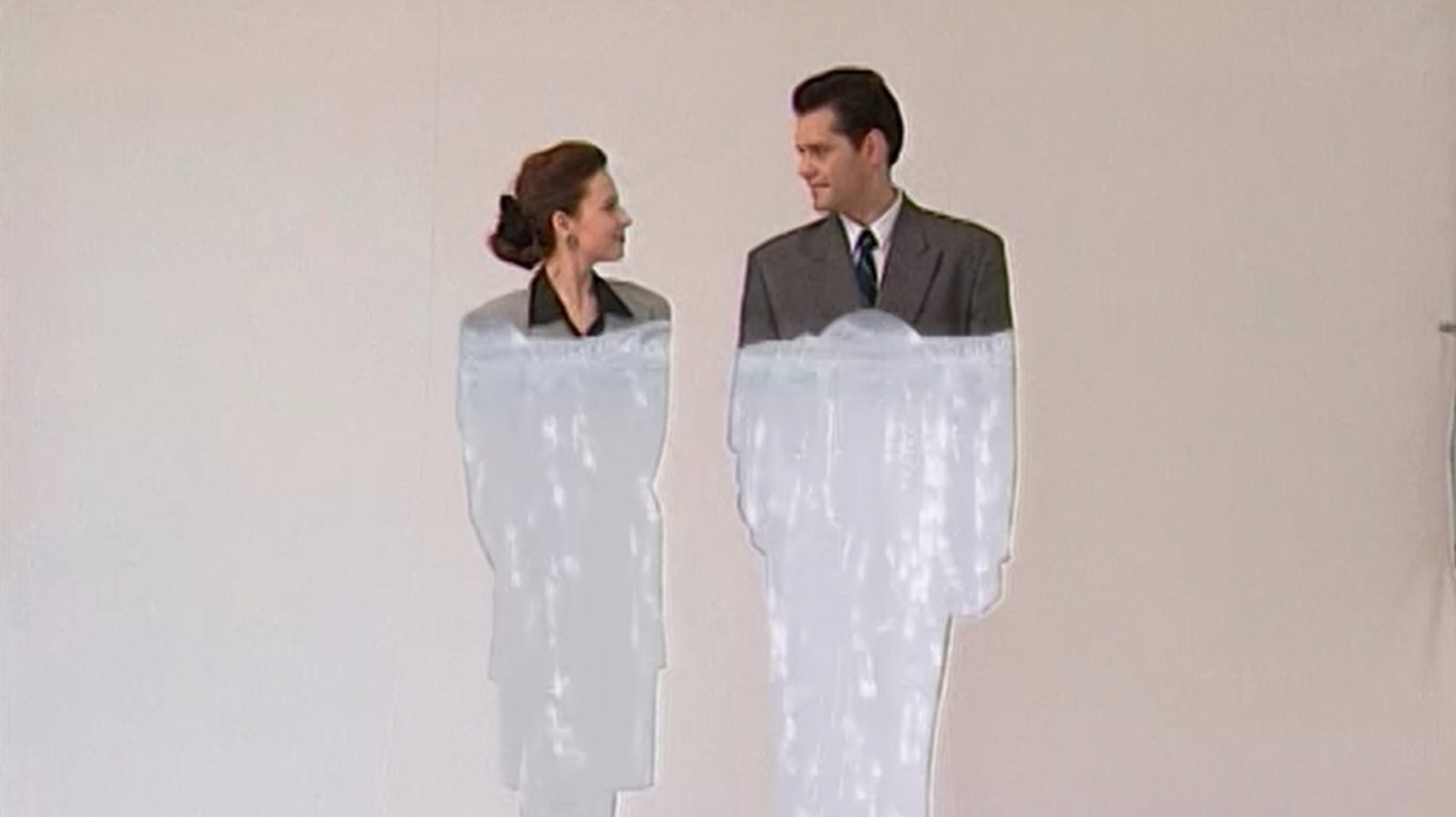
Eight Postcards from Utopia. Radu Jude and Christian Ferencz-Flatz. Romania, 2024. D'A Film Festival Barcelona, 2025.
Eight Postcards from Utopia
A hundred advertisements from Romania were screened in Room 2 of the Aribau Cinemas. Ads that traced the recent history of the country through brands like Pepsi, creating a sociological analysis of men, women, and daily life during the post-communist transition. From this advertising archive and the disastrous privatization that followed the fall of the regime, Eight Postcards from Utopia by Eight Postcards from Utopia, of Radu Jude and Christian Ferencz-Flatz was born: a fascinating and ironic exercise on commercialization as a form of national narrative.
What impressed me most was its meticulous search for gestures, words, and visual clichés capable of condensing an entire ideology, an entire era. The film feels like an extensive and complex essay projected on the big screen, a critical reading of Romania's recent history—the last communist country in Europe—through its consumer objects and advertising imagery.
“Eight Postcards from Utopia by Radu Jude and Christian Ferencz-Flatz: a fascinating and ironic exercise on commercialization as a form of national narrative.”
Feeling inspired?
Become a TMN member and join the community powering the next generation of creators.
Get exclusive content, support young and independent journalism, learn alongside emerging talent, and be part of a movement that believes in the power of ideas.
TMN exists thanks to people like you!
🎉 Use code TMN2025 to get $10 off your membership — join the movement today!
C’est pas moi
After a dense visual essay full of gestures and sociology, it was time for a shorter yet equally transformative essay: C’est pas moi by Leos Carax. I would be lying if I said Carax isn’t one of the most transformative filmmakers of the 21st century. In this short film-essay, the author embarks on an attempt: to explain who he is. And I say "attempt" with full intention because Carax knows himself as little as we know ourselves. As little as anyone truly knows the world. Perhaps, he suggests, the only way to understand something—about oneself, others, or the world—is through cinema. Through David Bowie, through the images he throws at us like shattered mirrors in which we reflect ourselves in the most Godardian way possible. Because, after all, as Carax himself says in one of the most beautiful moments of the film: "Cinema forgives everything." And if Carax tells me that cinema has forgiven me everything, I will love those who have forgiven me.

C’est pas moi. Leos Carax. France, 2024. D'A Film Festival Barcelona, 2025.
“Perhaps, he suggests, the only way to understand something—about oneself, others, or the world—is through cinema. Through David Bowie, through the images he throws at us like shattered mirrors in which we reflect ourselves in the most Godardian way possible.”
Chime
Moving away from the realm of self-reflection and essay, this time we delve into a Japanese piece that, far from following any conventional narrative, immerses itself in the realm of horror and paranoia. I'm referring to Chime by Kiyoshi Kurosawa. A disconcerting short film from the very first frame, it follows a chef and his peculiar cooking school. The truth is, it intrigued me immensely. In just 45 minutes, things happen that completely surprised me. And although I wasn’t familiar with the director’s work, this short was a stimulating gateway, an invitation to explore his filmography more deeply. Chime is a film that experiments with a narrative that seems to have vanished, as if folding in on itself, becoming a story that’s hard to digest, with a confusion as unique as it is fascinating. Honestly, the more you think about Chime, the more you want to watch it again.
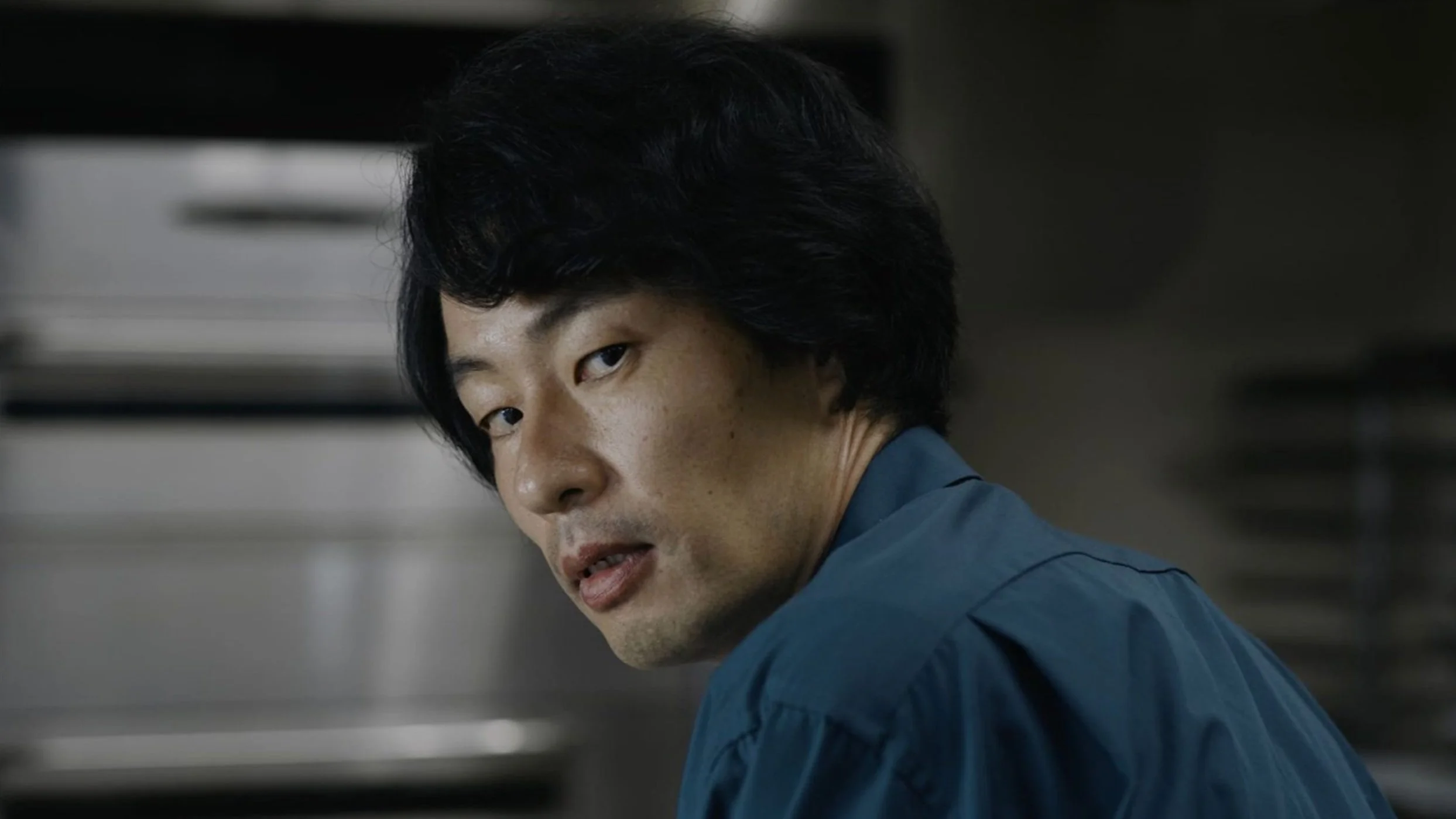
Chime. Kiyoshi Kurosawa. Japan, 2024. D'A Film Festival Barcelona, 2025.
“In just 45 minutes, things happen that completely surprised me. And although I wasn’t familiar with the director’s work, this short was a stimulating gateway, an invitation to explore his filmography more deeply.”
Cabo Negro
To close a day full of hidden revelations, I watched Cabo Negro by Abdellah Taïa. A delicate and tender film about a gay man and woman who go on vacation to northern Morocco, to the town of Cabo Negro. There, the man meets another man and falls in love. The film progresses with a somewhat forced slowness, and its story never fully settles with clarity. The most revolutionary aspect, without a doubt, is Taïa’s own gesture: making queer cinema in Morocco, a country where homosexuality is still considered a crime. This act of resistance, as intimate as it is political, is what gives the film some value, but not much else. Cabo Negro ends up being a minor, easily forgettable work that attempts to create accessible auteur cinema, but at times it borders on the parodic without finding its own tone.
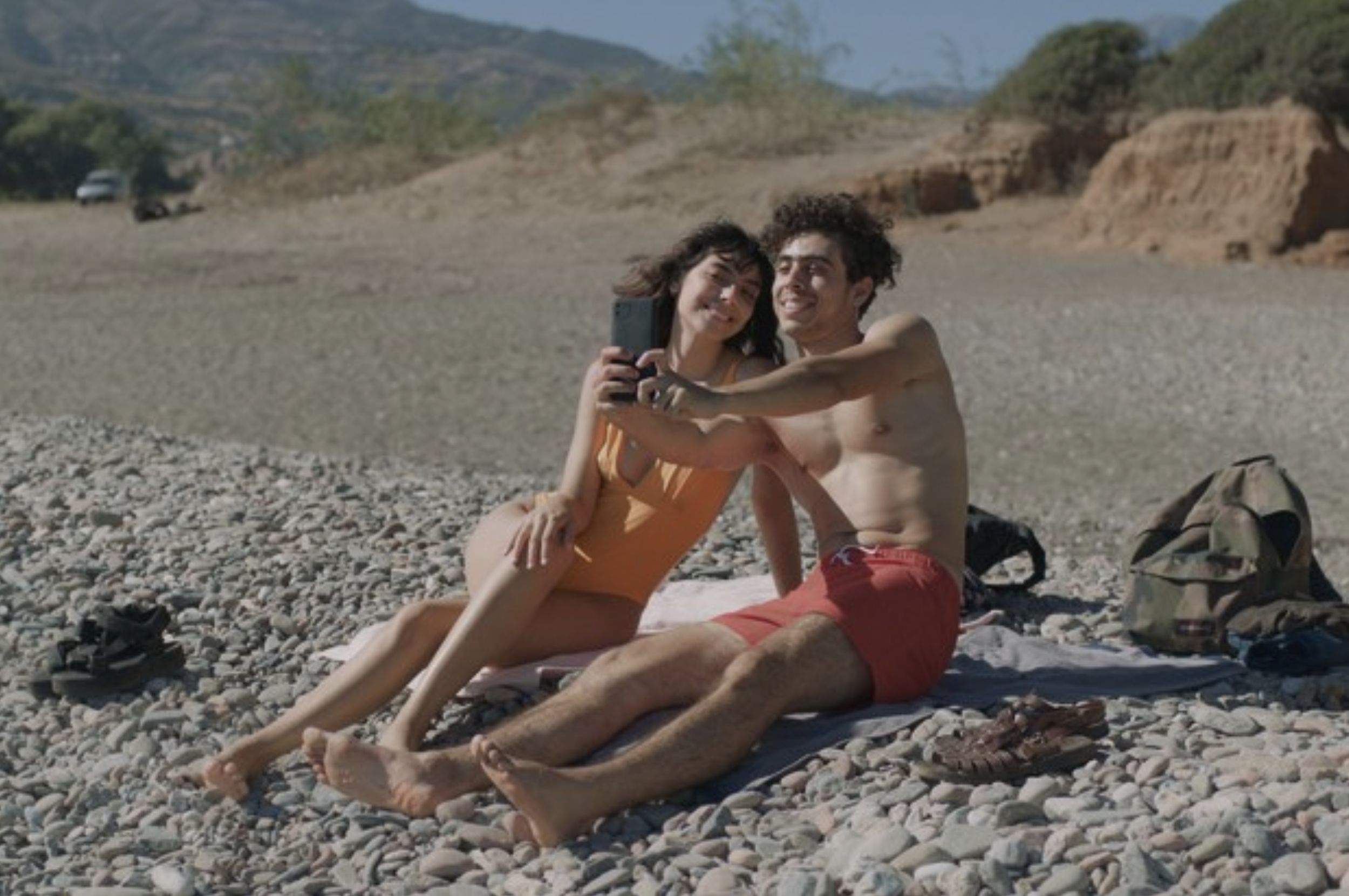
Cabo Negro. Abdellah Taïa. Morocco, France, 2024. D'A Film Festival Barcelona, 2025.
“The film progresses with a somewhat forced slowness, and its story never fully settles with clarity. The most revolutionary aspect, without a doubt, is Taïa’s own gesture: making queer cinema in Morocco, a country where homosexuality is still considered a crime.”
Share this post: