STARTING OUT
ADVICE FOR ASPIRING CREATORS
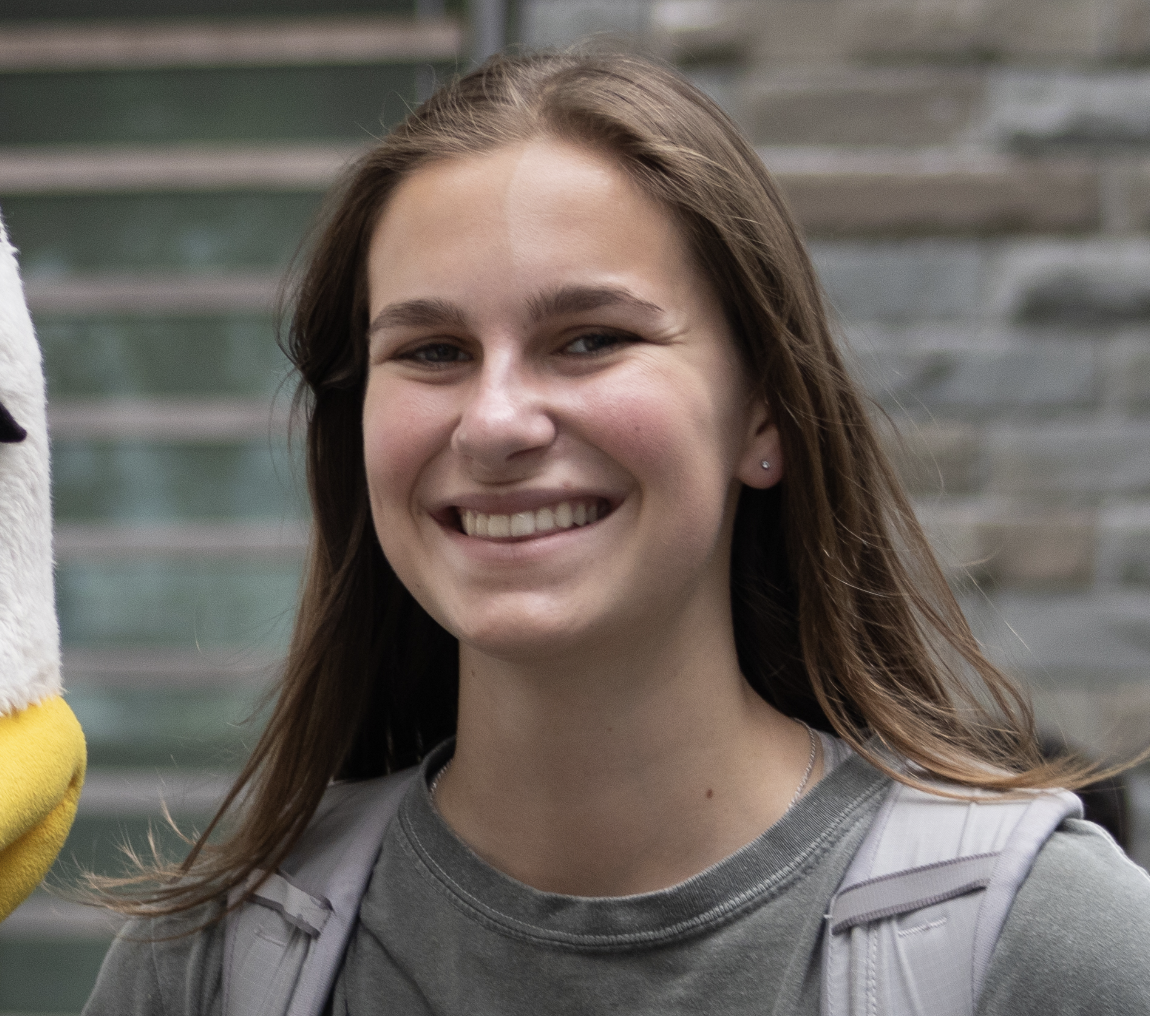
Marissa Carper photographing Doechii at the World Prime Music Festival, Washington DC.
I accidentally found my way into concert photography and ended up discovering a career path I didn’t even know existed. Now I’m sharing the real lessons, mistakes, and tips that actually helped me grow so other young creatives can start smarter and faster.
WASHINGTON DC | By Marissa Carper
I didn’t grow up dreaming about being in photo pits or shooting festivals. Honestly, before I ever held a camera in front of a stage, I hadn’t even been to a concert. I loved music, but the idea of working in the music world felt distant. Like something other people did.
Then I stumbled into concert photography by accident, and discovered an entire career path I didn’t even know existed.
Now I’m sharing the real lessons, mistakes, and “I wish someone told me this sooner” moments that helped me grow. If you’re a young creator trying to break into music, media, or content creation, this is for you. It’s the advice I wish I had when starting out.
Advice #1: Put Yourself Out There
Every opportunity I’ve ever gotten came from putting myself out there. No one can discover you if you’re hiding.
I started in videography in high school, mostly sports. When I got to college, I knew I didn’t want to leave that behind. So I did something simple but scary: I sent an email. I found my university’s director of video production and asked if there were any opportunities for students. He sent me info about their internship program. I applied. And for the past three years, I’ve worked with my university’s athletic department, learning how to film, edit, and work in real production environments.
That one email changed everything.
If you want to work in music or media, you can’t wait for someone to magically discover you. You have to take the first step. Send the email. DM the venue. Apply for the opportunity you think you’re “not ready” for. Most people don’t fail because they lack talent. They fail because they never try.
Marissa Carper photographing at the World Prime Music Festival Parade, Washington DC.
Advice #2: Connect With People (But Be Cool About It)
One of the most underrated skills in media spaces is knowing how to connect with people professionally.
When you’re covering events, it’s important to remember that everyone there is working, so long conversations in the middle of a set aren’t realistic or respectful. Instead, quick introductions go a long way. A simple hello, a compliment on someone’s work, or asking for their Instagram can open the door to a real connection later.
Once the event is over, that’s when you can message them, ask questions, and build relationships.
Some of the best opportunities in this industry don’t come from applications or websites. They come from the people you meet while doing the work.
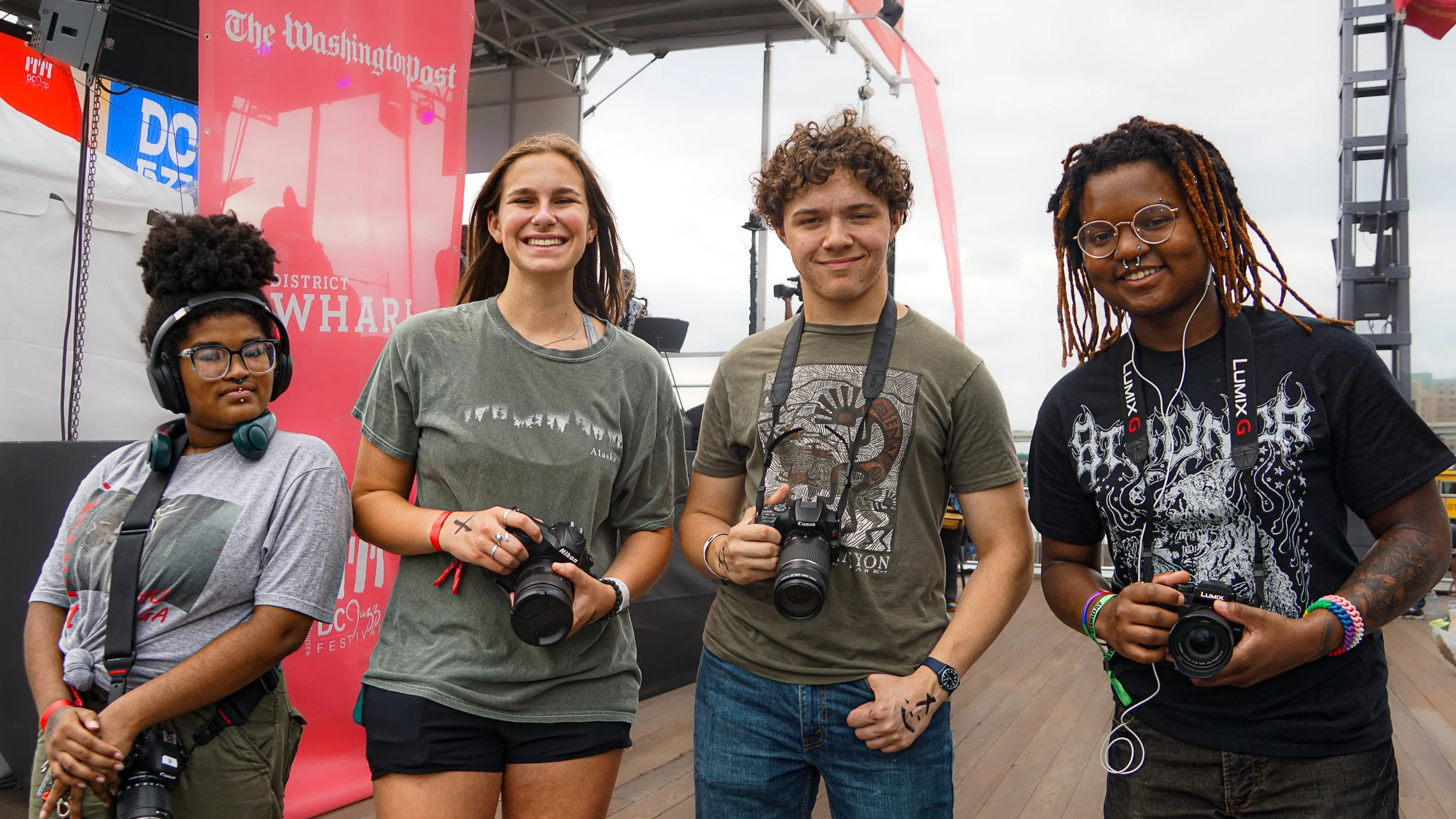
Marissa Carper and young photographers photographing the DC Jazz Festival with Teens Media Network, Washington DC.
Advice #3: Build a Portfolio With What You Have
A lot of beginners think they need access to big artists or major festivals before they can start building a portfolio, but that’s not true.
What you actually need is consistent content that shows your eye, your style, and your growth. Shooting your friends, school events, local shows, or community performances all count because every time you shoot, you improve.
Your first portfolio isn’t supposed to look professional. It’s supposed to show potential. The people who grow fastest are the ones creating constantly, not the ones waiting for permission.
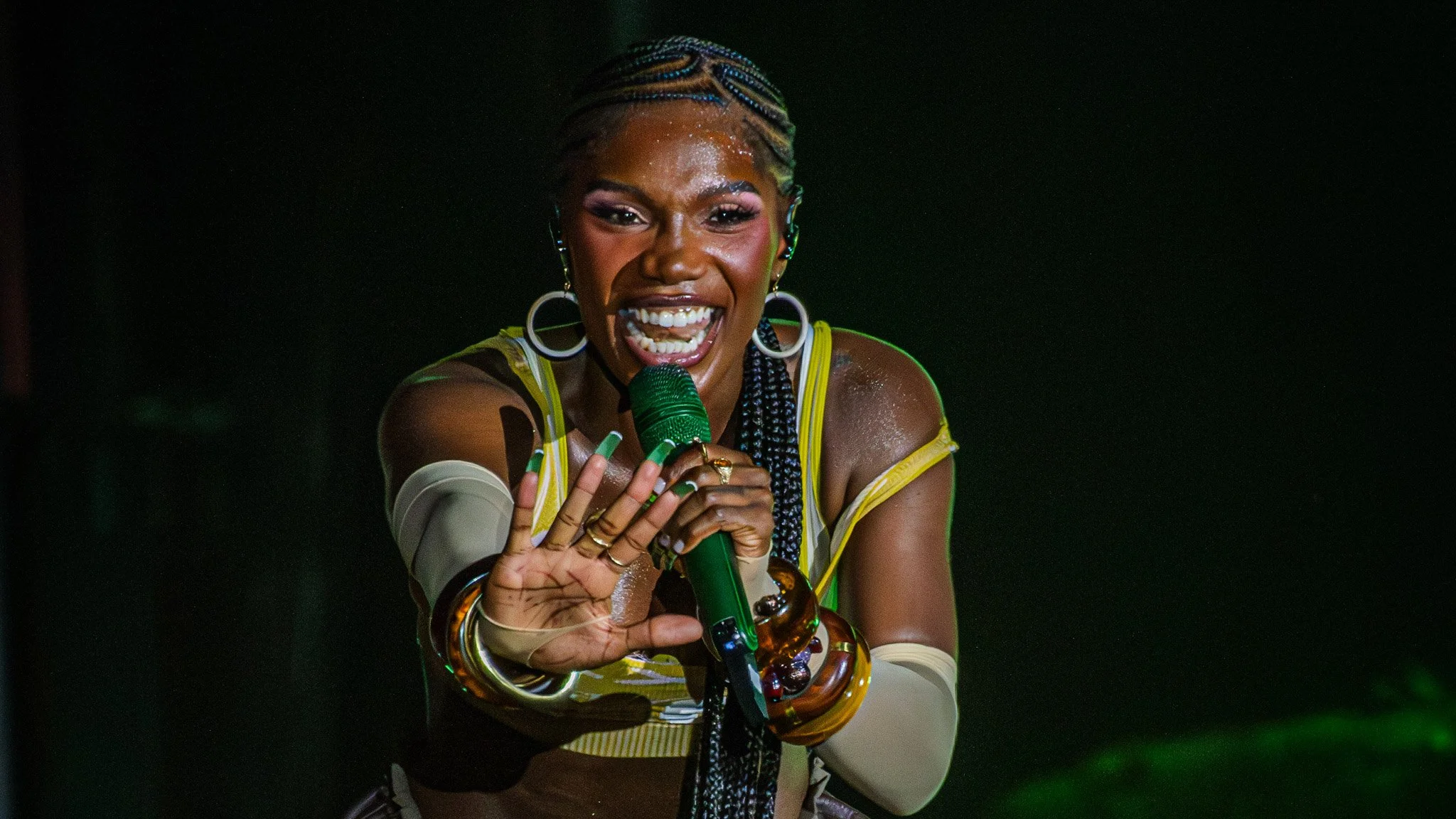
Doechii photographed by Marissa Carper at the World Pride Music Festival, Washington DC.
Advice #4: Master the Fundamentals
Gear is cool. Presets are fun. But fundamentals are what make you good.
Lighting. Timing. Framing. Anticipating moments. Understanding how a stage works. These skills matter way more than the camera you own.
One of my biggest turning points was shooting my first festival, the DC Jazz Festival, through Teens Media Network. I worked alongside my mentor, Pablo, who taught me how festival shooting actually works: where to stand, how to move, how to read the stage, how to predict moments before they happen.
That experience didn’t just improve my photos. It changed the way I think as a creator.
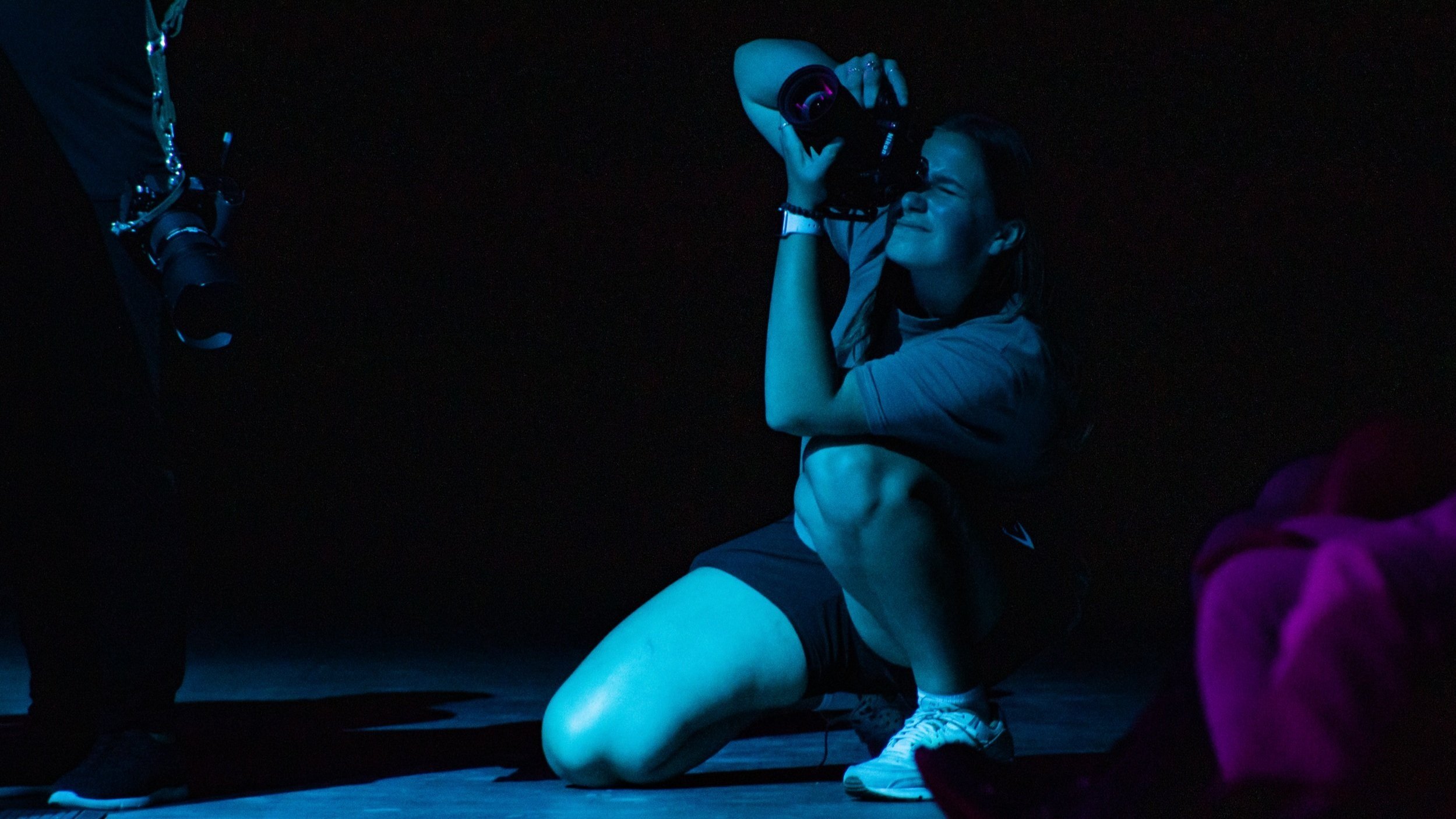
Marissa Carper photographing at the DC Jazz Festival with Teens Media Network.
Advice #5: Learn By Doing (With the Right Support)
The fastest way to grow is hands-on experience with feedback. That’s why programs that combine real assignments, mentorship, and publication opportunities can make such a difference early on.
Teens Media Network offers courses built exactly like that:
Music Photography
A 4 week hands-on course where you learn live music photography from access to shooting to delivery and publication.
New Media Coverage
Another 4 week hands-on course focused on cultural coverage and content creation, from getting access to creating and publishing your work.
Both are guided, practical, and designed for beginners. You’re not just learning theory, you’re actually doing the work, getting feedback, and improving fast. They’re available in English and Spanish too, which makes them accessible to creators from all over.
Programs like that matter because they shorten the learning curve. Instead of guessing your way through the industry as I did at first, you get direction from people who’ve already done it.
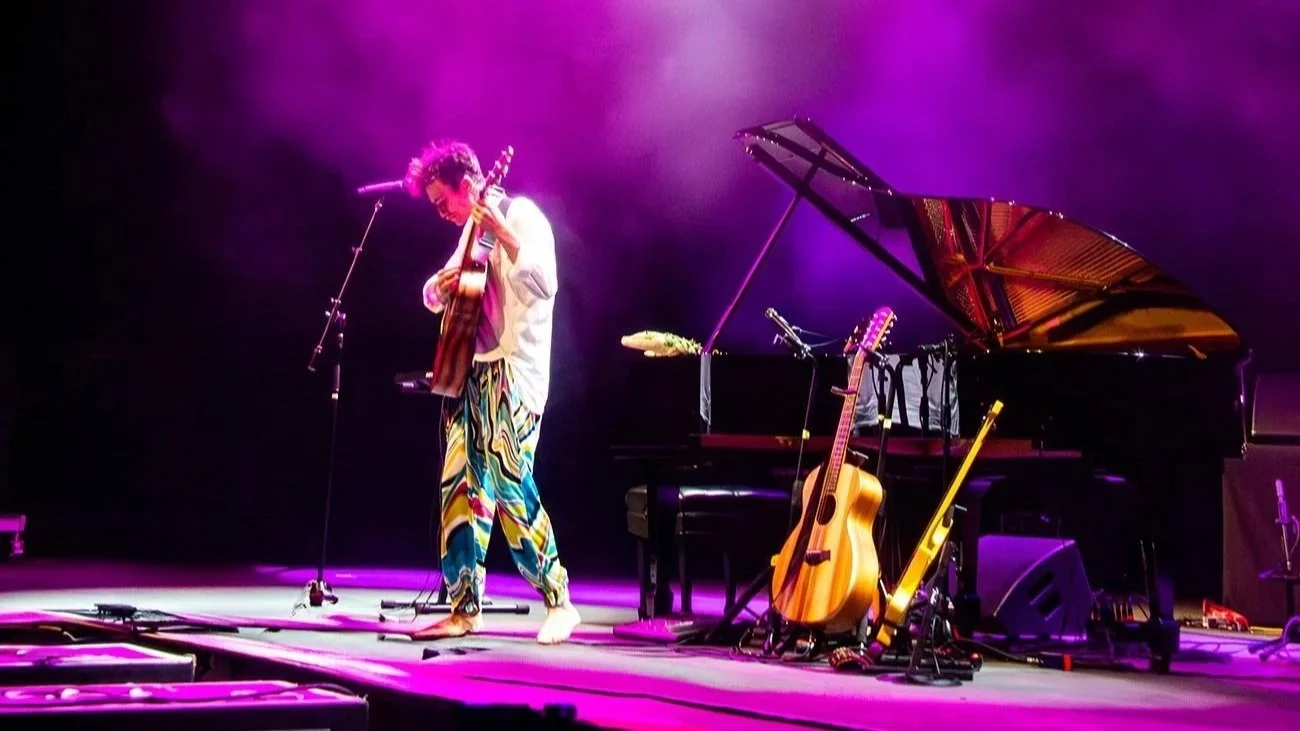
Jacob Collier photographed by Marissa Carper at the World Pride Music Festival, Washington DC.
The Biggest Thing I’ve Learned
There’s no single “right” way into the music or media industry. Most of us figure it out as we go.
What matters isn’t having perfect gear or connections. It’s being willing to start, learn, and keep improving.
If you stay curious, keep creating, and take initiative, doors open faster than you think. And when you have a community like Teens Media Network behind you, you’re not just figuring it out alone. You’re building a future with people who want to see you win.