TMN FRAMES
MUSIC
An Editorial Music Photography Selection from 2025
As 2025 comes to an end, we wanted to take the time to curate twelve frames from the year. These images capture not only the artists on stage, but also the work of the young creators learning behind the camera.
For some, this was the first time entering a photo pit — not just to take a picture, but to experience what it means to be there, to tell a story, and to carry the responsibility that comes with it. Let’s take a closer look.
FRAME 1. PAUL BEAUBRUN. BY MICAH BIERMAN.
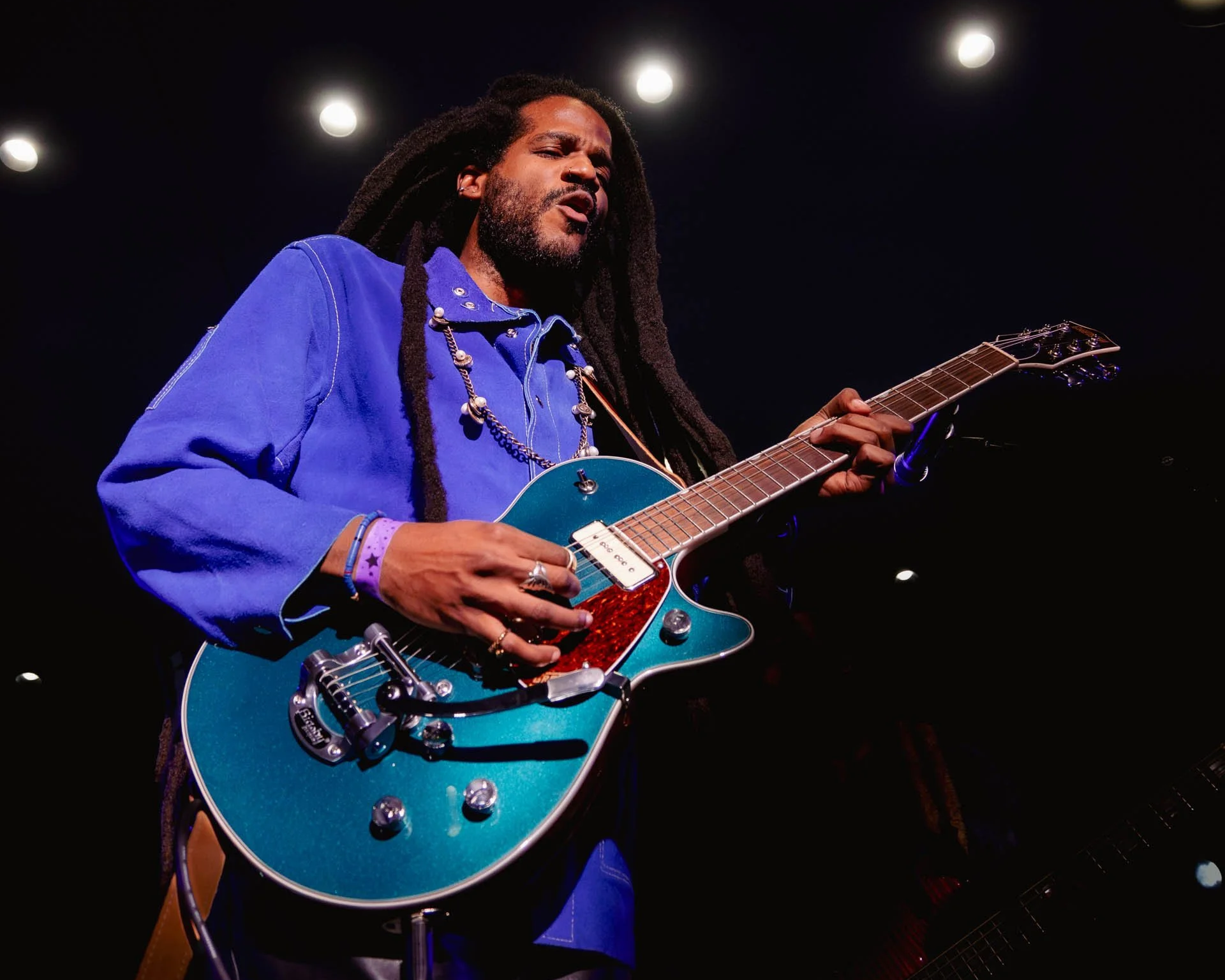
Paul Beaubrun at GlobalFest, Lincoln Center, New York City. Photo by Micah Bierman for TMN®.
This image captures what it means to be close — not as a spectator, but as part of the moment. Micah isn’t just photographing the artist; he’s inside the space where sound, movement, and intent meet. Being in the pit isn’t about proximity for its own sake. It’s about understanding the responsibility that comes with access: choosing where to stand, when to press the shutter, and how to tell a story without interrupting it. This frame reflects that balance — presence without intrusion.
FRAME 2. CARIÑO. BY NOELIA SERRANO.
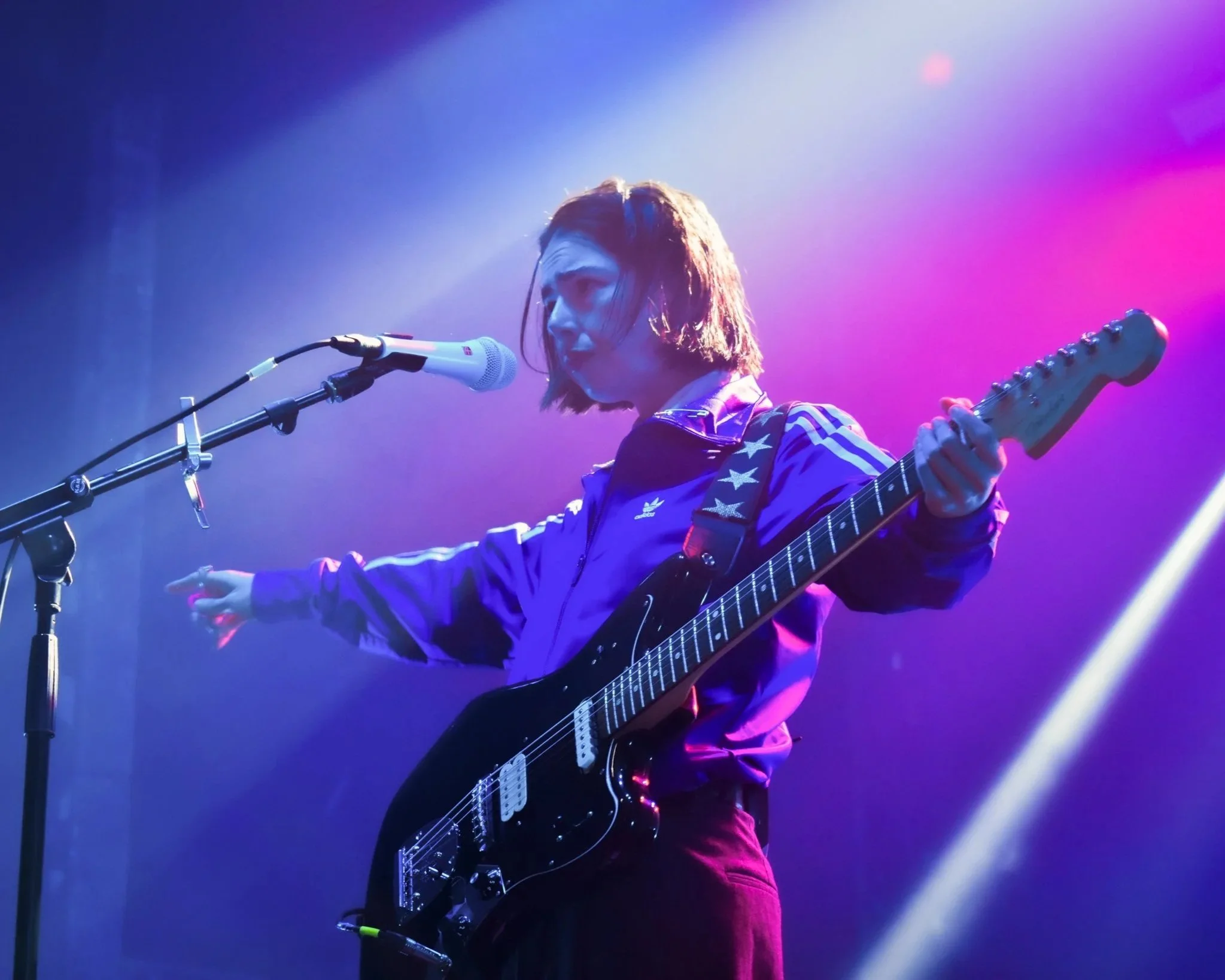
Cariño. Razzmatazz, Barcelona. Photo: Noelia Serrano for TMN®.
This image shows more than a singer on stage. Taken with an iPhone, it shows that the tool is secondary to intention. What matters is why you are there. This experience is not about telling others where you are, but about using what you have to tell a story with care and attention. When intention leads, the result becomes something different.
FRAME 3. KEVIN MORBY. BY PABLO HERRERA.
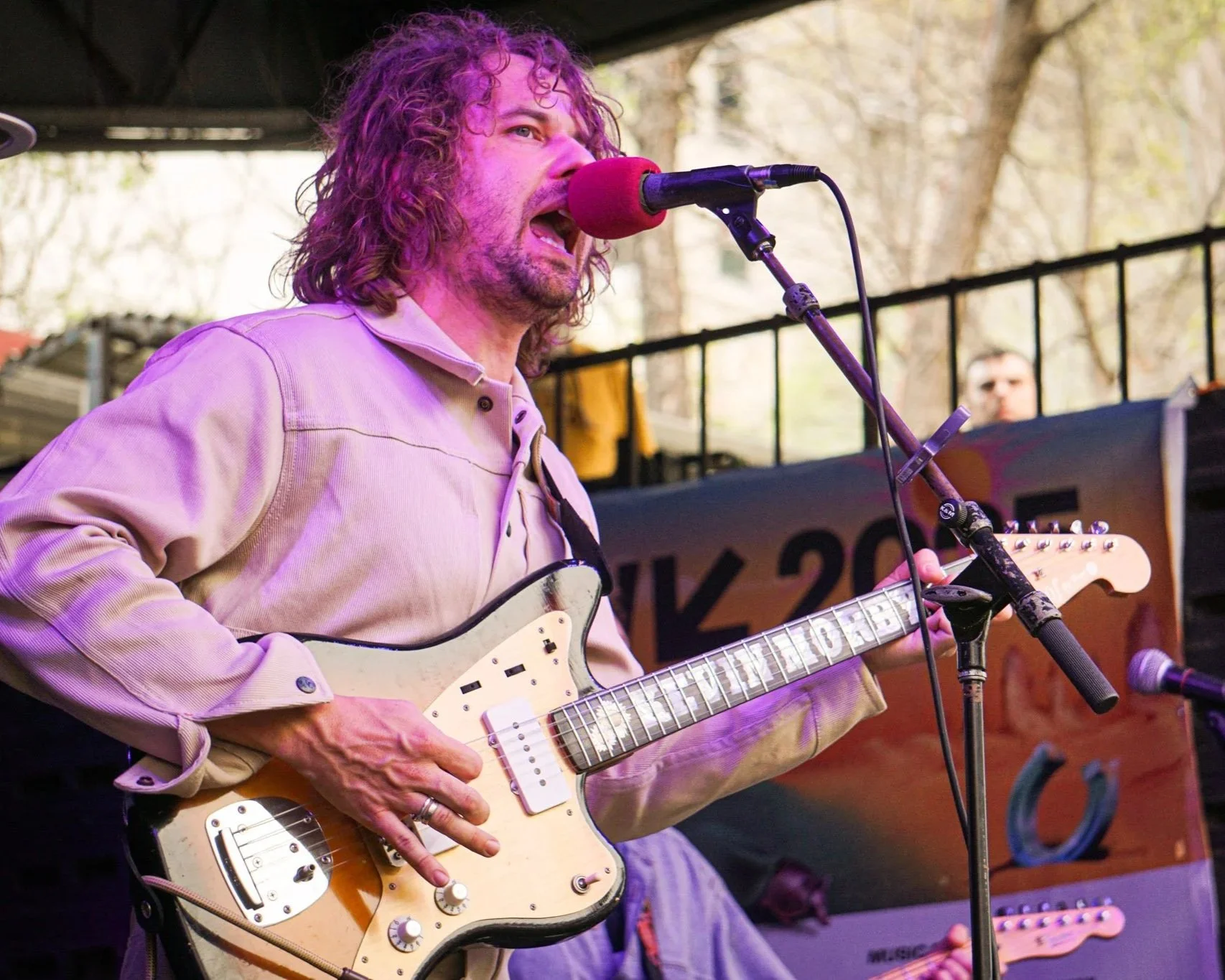
Kevin Morby at the Brooklyn Vegan Showcase at Mohawk, SXSW, Austin, TX. Photo by Pablo Herrera for TMN®.
This image reflects a deliberate choice. In a time when music photography often chases speed, movement, and spectacle, this frame slows things down. Photographing an independent artist like Kevin Morby is not about capturing a dramatic gesture, but about paying attention to who he is and how he occupies the stage. The subject matters. Focusing on the musician, rather than the moment, allows the image to tell a quieter and more precise story.
FRAME 4. MARK AMBOR. BY CARLA LAMIEL.
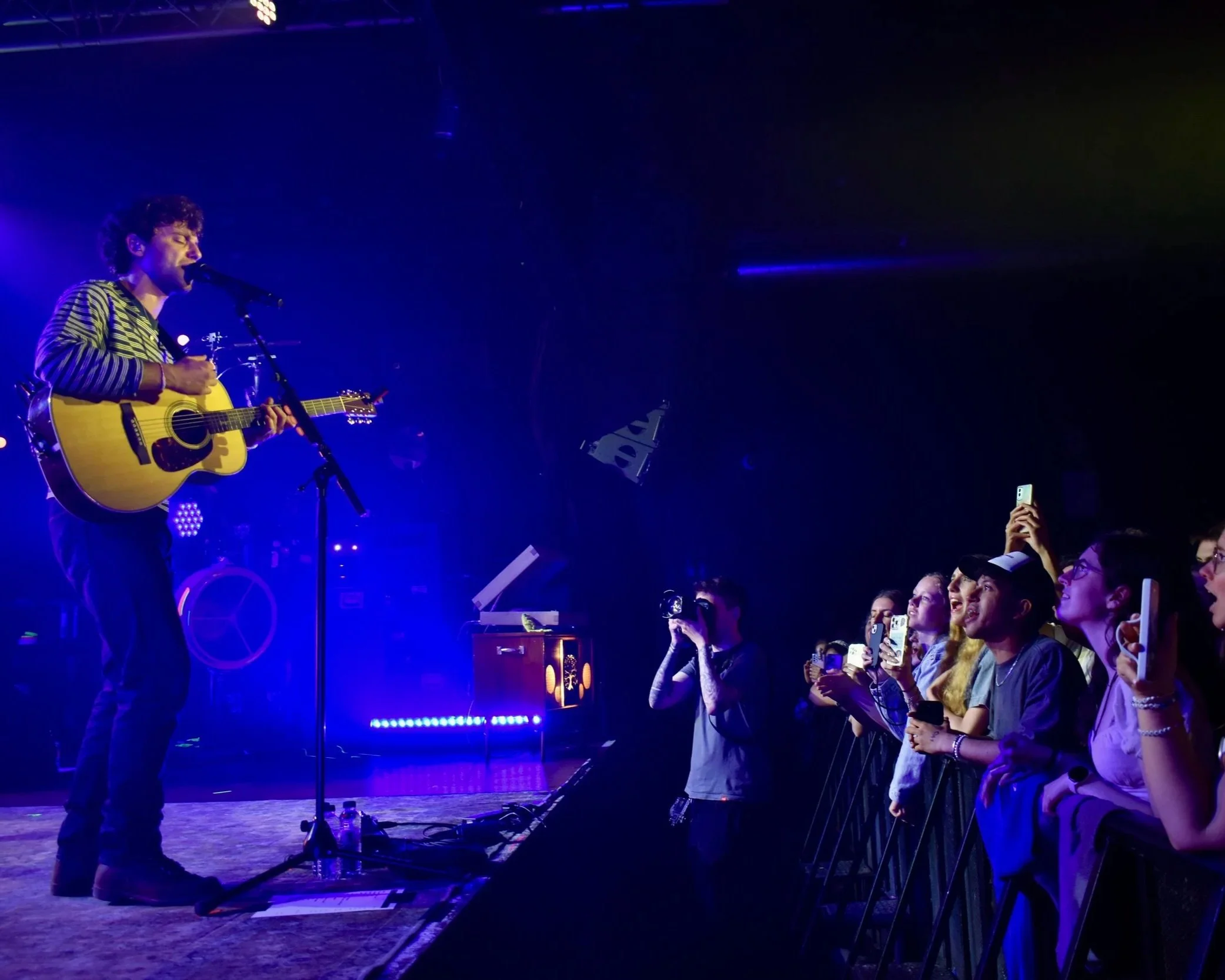
Mark Ambor at Razzmatazz, Barcelona. Photo by Carla Lamiel for TMN®.
This image tells more than the story of the musician. It also includes the crowd, the atmosphere, and the presence of other photographers working in the pit. The frame reflects how live music is experienced as a shared space. Carla captures the scene as a whole, not separating artist, audience, or creator. By placing herself inside that dynamic, the image becomes a realistic record of the moment and of how it felt to be there.
FRAME 5. SABRINA CARPENTER. BY GISELA SERRA CHICO.
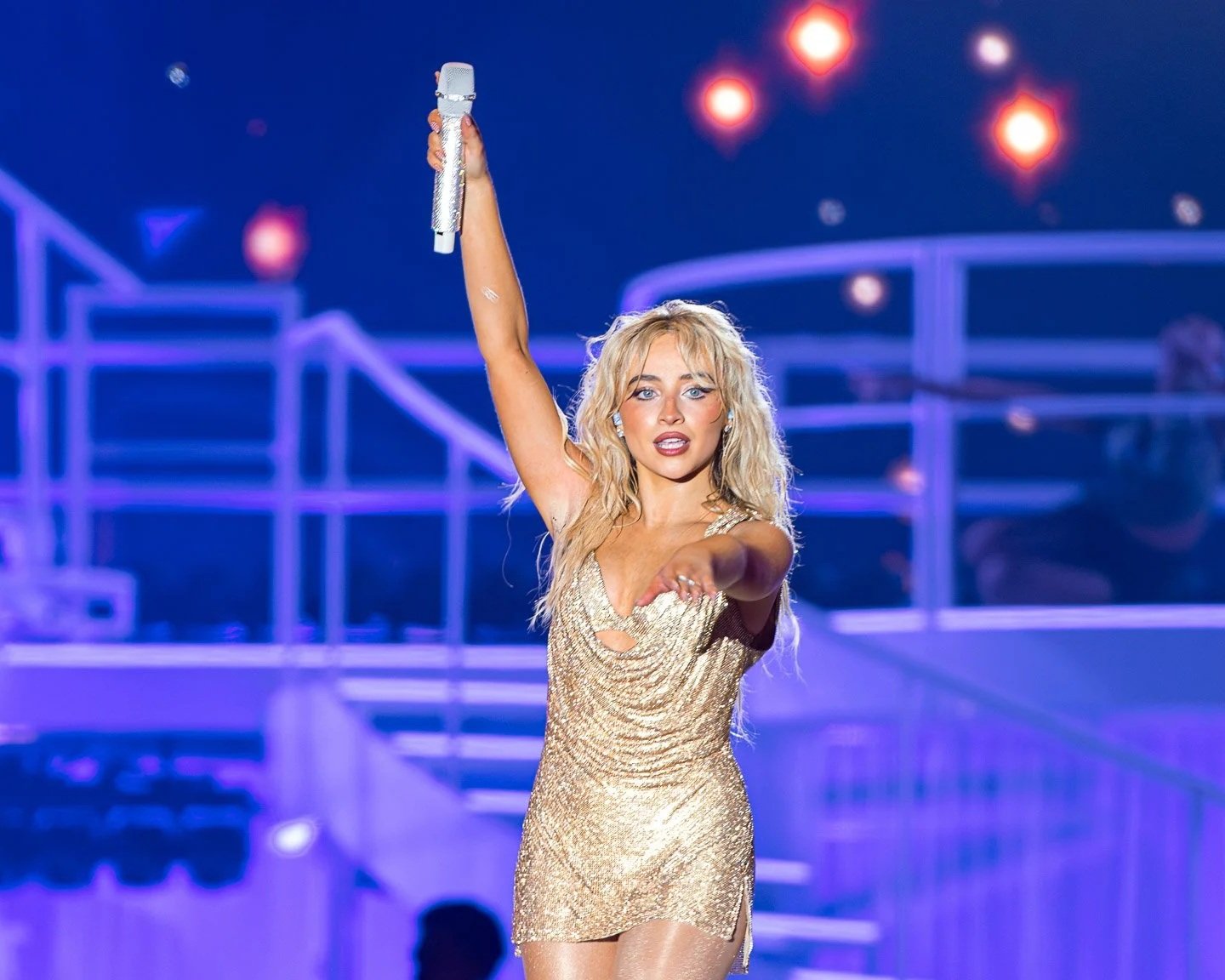
Sabrina Carpenter at Primavera Sound, Barcelona. Photo by Gisela Serra Chico for TMN®.
This image reflects clarity and command. The gesture is direct, the frame is clean, and the connection with the audience is unmistakable. Photographing an artist at this scale requires focus and timing rather than excess. Gisela centers the moment without distraction, allowing presence, light, and intention to carry the image. The result is confident, controlled, and unmistakably live.
FRAME 6. DOECHII. BY MARISSA CARPER.
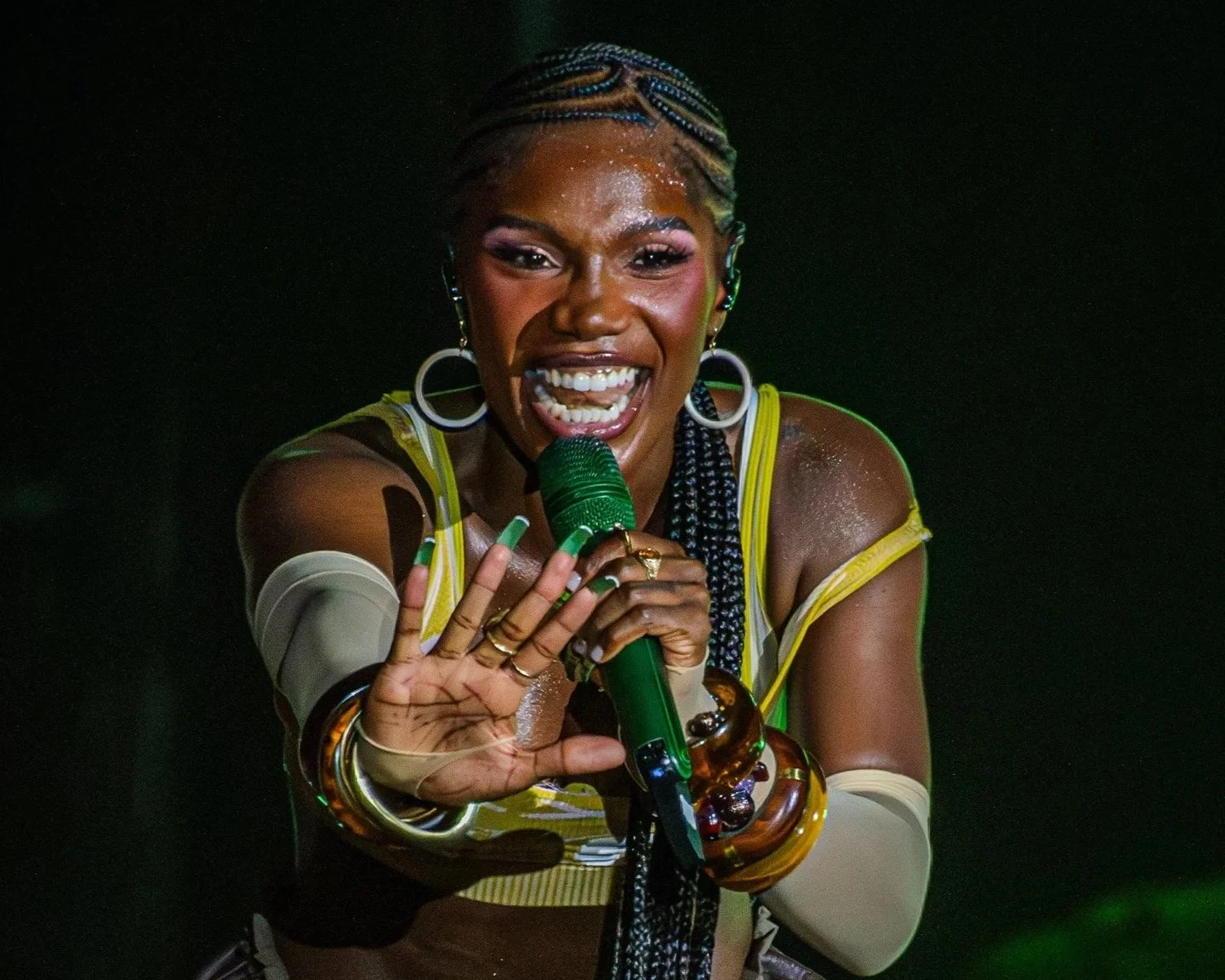
Doechii at WorldPride Music Festival, Washington, D.C. Photo by Marissa Carper for TMN®.
In this frame, Marissa Carper achieves a rare balance. The shot is frontal, close, and direct, placing the viewer face to face with the artist. This kind of image is not accidental. It depends on where you stand, how you move, and how close you are willing and allowed to be. The energy flows both ways. The artist reaches outward, and the image returns that energy to the audience. The result is immediate, powerful, and open.
FRAME 7. AITANA. BY HIMEL AHMED.

Aitana at Estadi Olímpic Lluís Companys, Barcelona. Photo by Himel Ahmed for TMN®.
This image reflects the scale of the event. Photographing a concert of this size, with tens of thousands of people in a stadium, is a different level of responsibility. The position in the pit can be intimidating, especially the first time. Many photographers only reach this stage after years of experience. Himel did it with clarity and control at nineteen, understanding both the magnitude of the moment and his place within it.
FRAME 8. CAMILA FERNÁNDEZ. BY HENRY ORTIZ.

Camila Fernández at Ruidosa Fest, Lincoln Center, New York City. Photo by Henry Ortiz for TMN®.
This image is a clear example of how context shapes a photograph. The frame captures tradition, presence, and performance without isolating the artist from her surroundings. Henry pays attention to gesture, expression, and timing, allowing the scene to speak for itself. Rather than forcing a dramatic moment, the photograph respects the rhythm of the performance and the cultural weight it carries.
FRAME 9. SHAKIRA. BY MICAH BIERMAN.
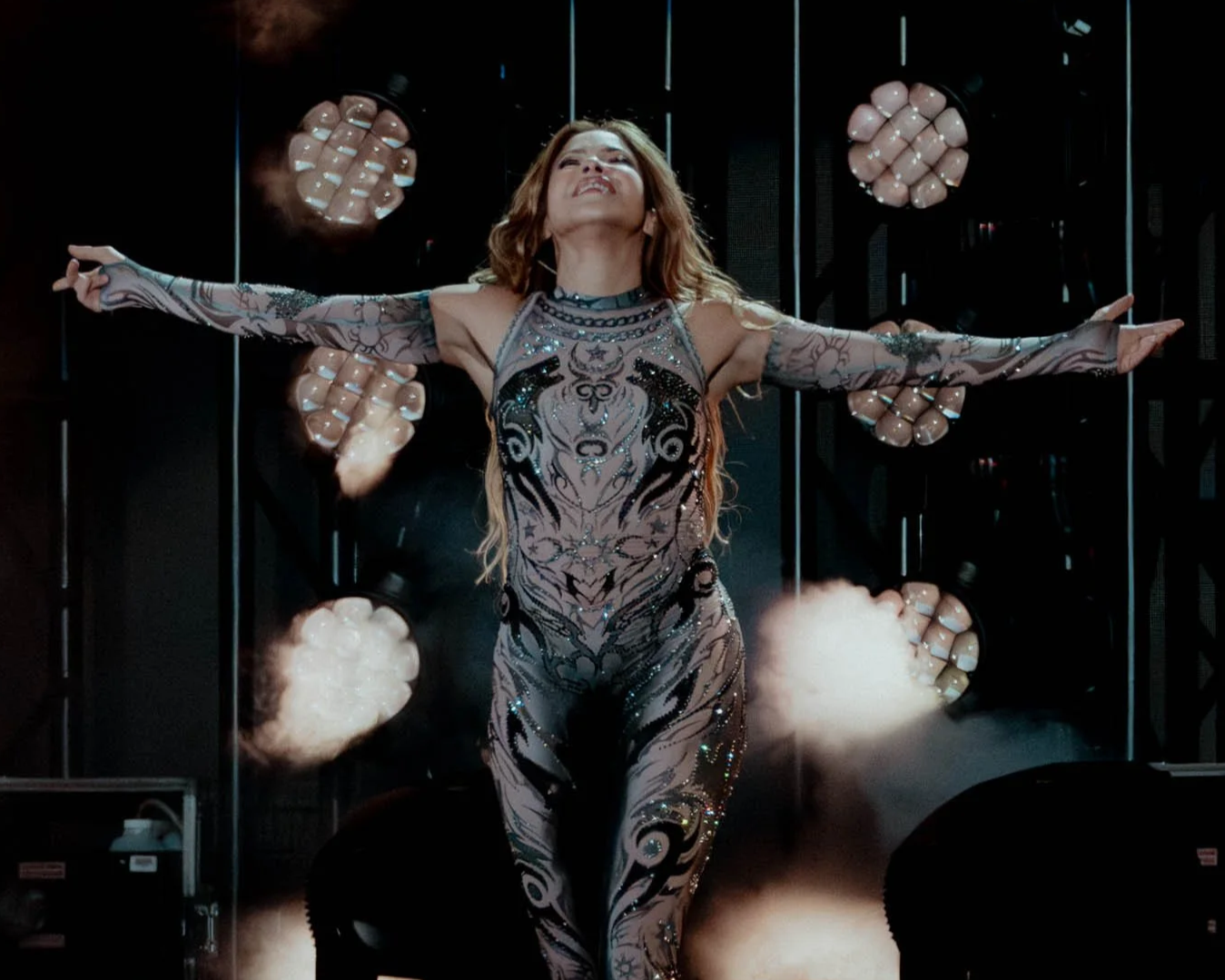
Shakira at the Global Citizen Festival, Central Park, New York City. Photo by Micah Bierman for TMN®.
This image reflects an important step in Micah’s development as a photographer. Working from a distance with a long lens requires precision, patience, and restraint. Photographing a global artist like Shakira is not about exaggeration or spectacle, but about maintaining clarity and honesty. The frame keeps its simplicity while capturing the scale of the moment, showing confidence and control behind the camera.
FRAME 10. THE STROKES FAN. BY PABLO HERRERA.

The Strokes fan at ACL Fest, Austin, TX. Photo by Pablo Herrera for TMN®.
This image focuses on the other side of live music. Festivals are not only about musicians on stage, but also about the people who gather to experience it. As a mentor, Pablo often reminds creators that music exists because it is felt. Fans are part of the story, not background. Photographing them is a way of understanding why the music matters and of remembering that live culture is built as much by the audience as by the artists.
FRAME 11. MATTHEW WHITAKER. BY MICAH BIERMAN.
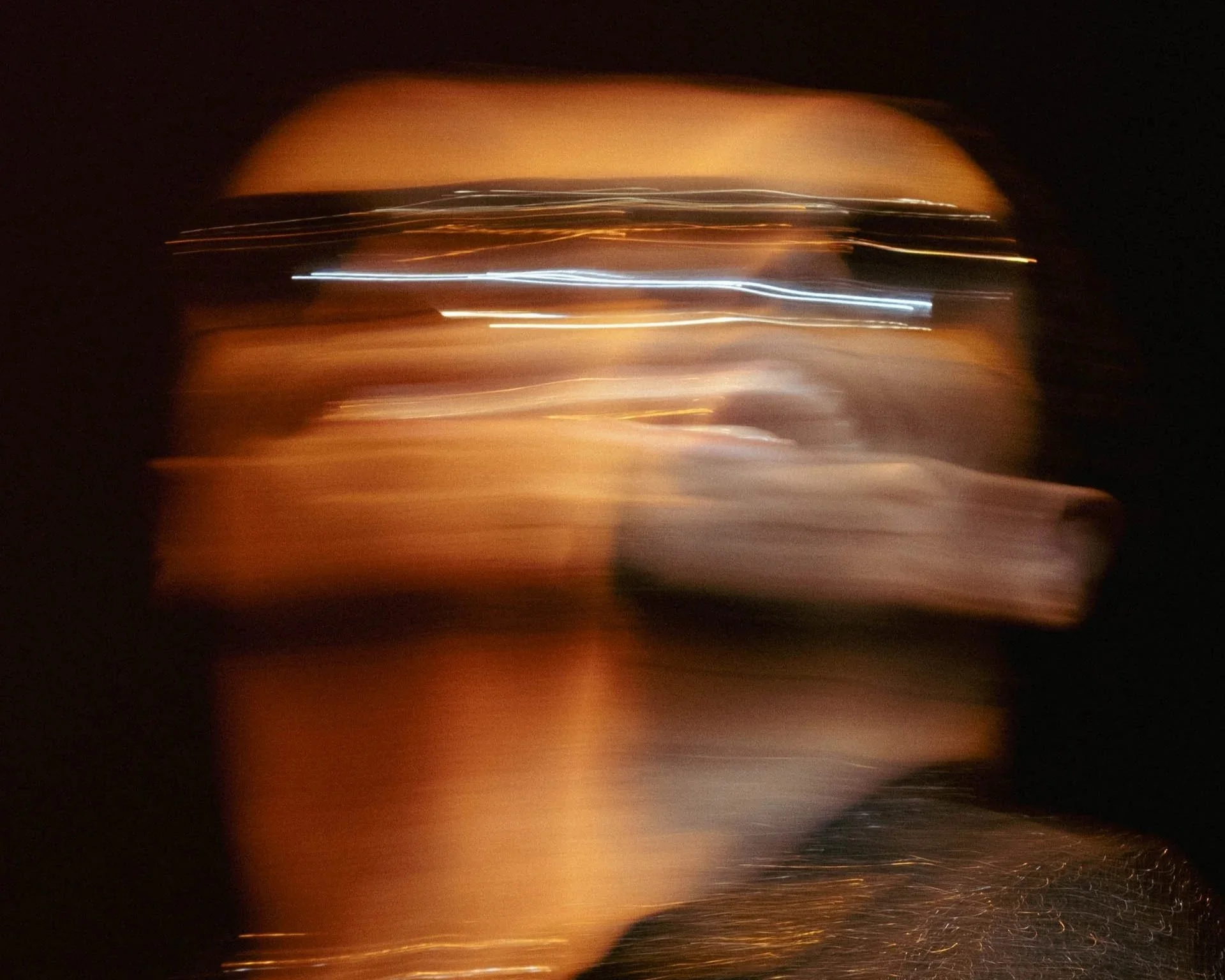
Matthew Whitaker at DC Jazz Fest, The Anthem, Washington, D.C. Photo by Micah Bierman for TMN®.
In this image, Micah continues to experiment with shutter speed and movement. Rather than freezing the subject, the photograph embraces motion and blur to reflect the intensity of the performance. The result is less descriptive and more interpretive, showing how music can be translated visually through rhythm, light, and energy. This frame speaks to a creator willing to test limits and explore new ways of seeing live music.
FRAME 12. BIG TIME RUSH. BY IVAN MARTÍNEZ.
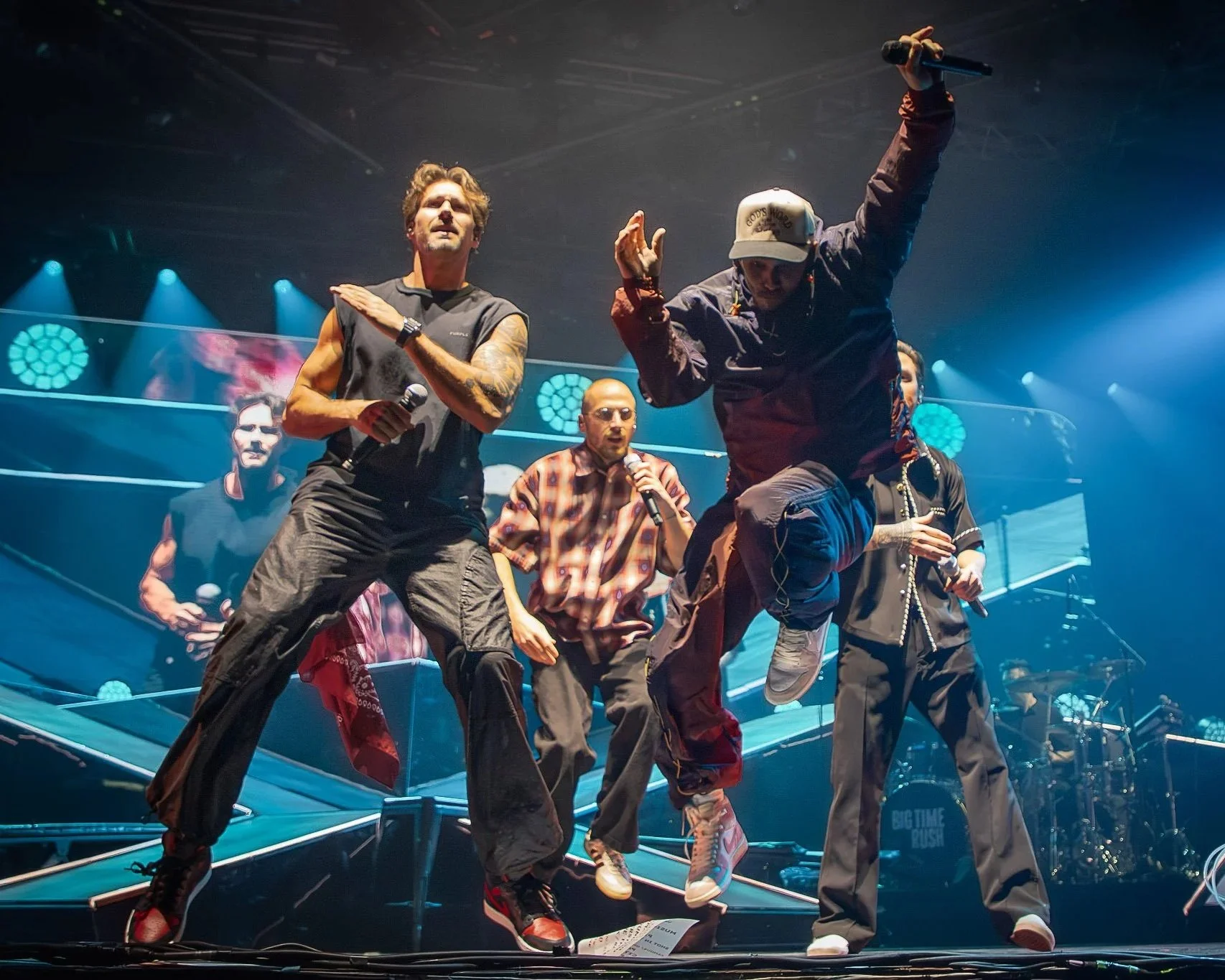
Big Time Rush at Sant Jordi Club, Barcelona. Photo by Ivan Martínez for TMN®.
This image captures the collective nature of a live show. Movement, coordination, and presence happen at the same time, without hierarchy. Ivan focuses on timing and composition to hold multiple actions within a single frame. The result reflects the intensity of a performance built on rhythm, connection, and shared momentum. It is a reminder that live music is not only about individual moments, but about how everything comes together on stage.
These frames are not meant to define a year, but to document how it was seen.
Together, they reflect different ways of being present, learning, and paying attention.
This is live music as experienced and recorded from the inside, and as young creators learn by doing the work.
TMN® Editorial
Ready to start shooting festivals like a pro?
TMN® Music Photography Course is open for enrollment now 🚀
More tools.
More opportunities.
More real learning.
Welcome to TMN® Learning.
Share this post: